



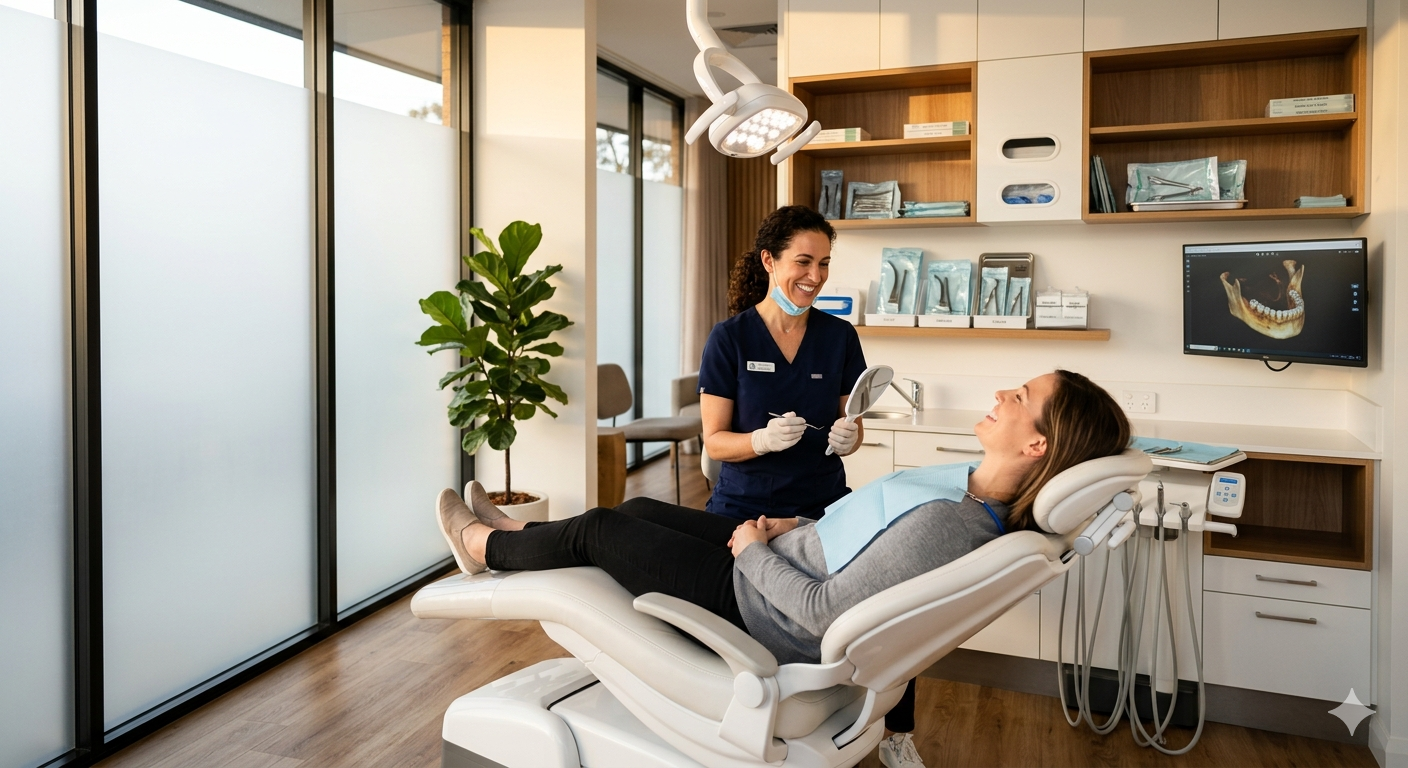
You want your dental implants to last and feel natural every day. Keep implants healthy by brushing twice daily with a soft brush, flossing or using interdental cleaners around the implant, and attending regular professional checkups.
A clear grasp of how implants integrate with bone and gum tissue helps you spot problems early and choose the right tools and habits. The article walks through daily care, professional maintenance, protecting implants during sports and sleep, common warning signs, and lifestyle choices that support long-term success.
Trust practical tips from a neighborhood dental expert to make maintenance simple and effective. If anything feels off or you want personalized advice, schedule a checkup to protect your investment and comfort.
Understanding Dental Implants
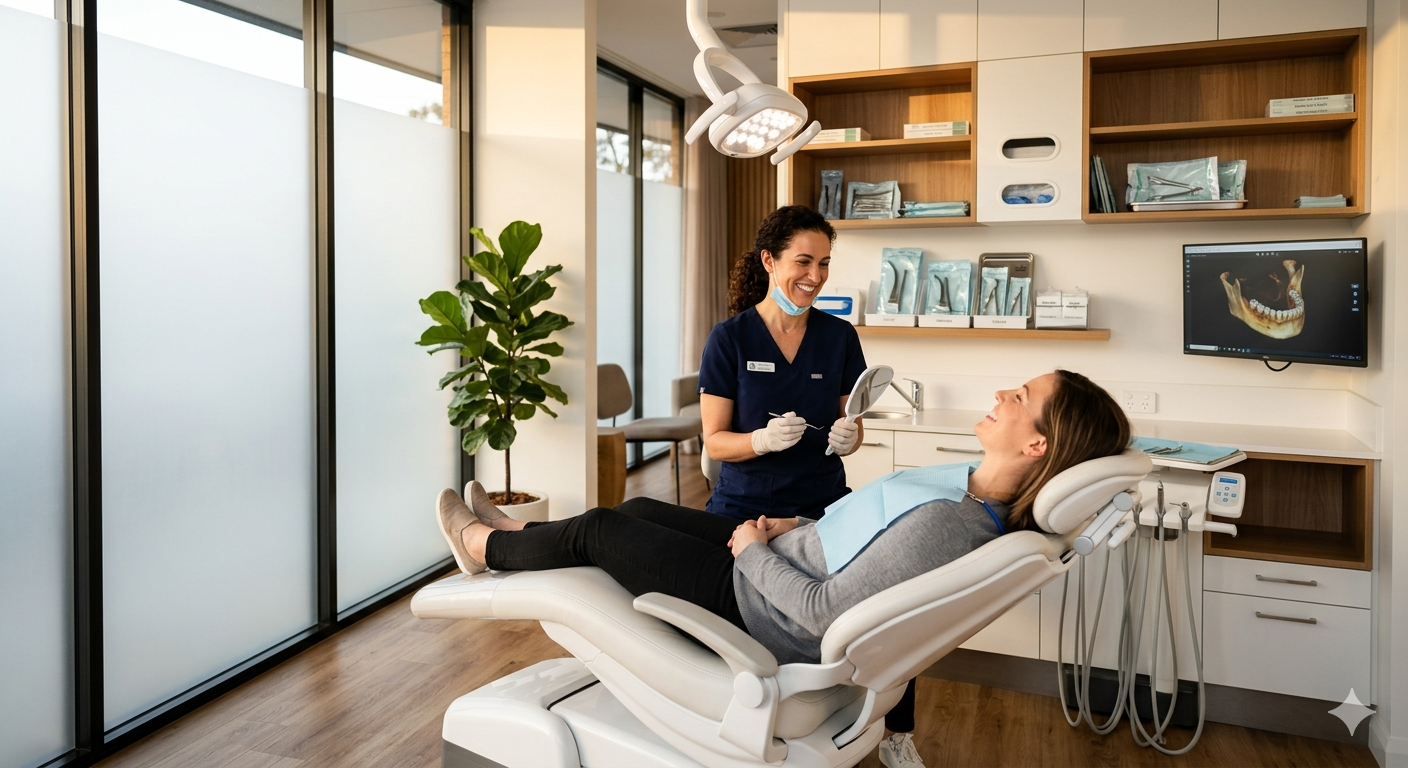
Dental implants replace missing teeth by anchoring a prosthetic tooth to the jawbone using a titanium post. They restore chewing function, preserve bone, and require routine care similar to natural teeth.
Parts of a Dental Implant
A dental implant has three main parts: the implant fixture, the abutment, and the prosthetic crown.
- Implant fixture: a titanium or titanium-alloy screw placed into the jawbone that acts like a tooth root. It fuses with bone through osseointegration, providing stable support.
- Abutment: a connector that attaches the crown to the implant fixture. It sits at or just above the gum line and may be titanium, zirconia, or another biocompatible material.
- Prosthetic crown: the visible tooth replacement made from porcelain, zirconia, or composite. Crowns are shaped and color-matched to adjacent teeth for a natural appearance.
Maintenance considerations tie to each part: check gum health around the abutment, watch for loosening at the fixture, and replace worn crowns when they chip or discolor.
How Implants Differ from Natural Teeth
Implants lack a periodontal ligament, so they do not have the same sensory feedback or slight mobility as natural teeth. This means patients may not feel pressure in the same way, and excessive force can transfer directly to the bone and implant components.
Natural teeth receive nutrients through the periodontal ligament and have a cushioning effect during chewing. Implants rely on bone support alone, so bone quality and quantity are critical for long-term stability.
Gum disease affecting natural teeth can also affect implants as peri-implantitis; however, the disease progression and treatment strategies differ. Regular professional checks focus on bone levels, soft-tissue health, and tightness of the abutment and crown.
Benefits for Long-Term Oral Health
Implants help preserve jawbone by transmitting chewing forces into bone, which reduces the bone resorption that follows tooth loss. Maintaining bone volume supports facial structure and helps neighboring teeth remain stable.
They restore full chewing efficiency, often allowing patients to eat a wider variety of foods compared with removable dentures. This supports nutrition and overall well-being.
With proper hygiene and regular dental visits, implants show high long-term success rates. Preventive care—daily brushing, interdental cleaning, and professional cleanings—reduces risks of peri-implant disease and prolongs implant lifespan.
For concerns about fit, pain, or changes in gum appearance, patients should contact their dental provider promptly to evaluate the implant system.
Establishing a Daily Oral Care Routine
A clear, consistent routine prevents inflammation and protects the implant-abutment junction. Regular brushing, targeted interdental cleaning, and the right products reduce plaque buildup and help implants last.
Brushing Techniques for Implants
Use a soft-bristled toothbrush or an electric brush with a soft head to clean implants twice daily. Angle the brush 45 degrees to the gum line and use short, gentle strokes along the implant crown and adjacent teeth to remove plaque without abrading soft tissue.
Avoid hard scrubbing and abrasive pastes; they can wear restorative materials and irritate gums. Spend at least two minutes total, giving extra attention to the area where the gum meets the implant. Check for tender or swollen tissue and report changes to the dental office.
For angled or hard-to-reach sites, an interdental brush with a nylon-coated wire can supplement brushing. Insert it gently parallel to the gum line; do not force it into tight spaces. Replace brush heads every 3 months or sooner if bristles splay.
Flossing Effectively Around Implants
Flossing removes plaque below the gum line and between implants and natural teeth. Use implant-specific floss (PTFE or floss with a glide coating) or a floss threader for fixed implant bridges to pass under the prosthesis safely.
Wrap the floss around adjacent teeth and glide it gently along the gum line; avoid snapping the floss upward against the implant. For bridges or multi-unit restorations, employ a floss threader or pre-cut tape to reach the underside of the prosthesis and clean in an up-and-down motion.
Consider water flossers set to low–medium pressure as an adjunct, especially for patients with dexterity issues. They reduce bacterial load and flush debris from peri-implant sulci but should not replace mechanical flossing entirely when access allows.
Choosing the Right Oral Care Products
Select a non-abrasive fluoride toothpaste labeled for sensitive teeth or for use with dental work. Avoid whitening pastes with high silica content and charcoals that can scratch crowns and abutments.
Choose a soft-bristled manual brush or an electric brush with a pressure sensor. For interdental cleaning, use nylon-coated interdental brushes sized to fit snugly without forcing; manufacturers provide sizing guides that match most implant patients’ spaces.
Use alcohol-free antiseptic mouth rinses with chlorhexidine only short-term after surgery or when prescribed, because long-term use can stain and alter taste. For daily bacterial control, a low-alcohol cetylpyridinium chloride (CPC) rinse or a fluoride mouthwash helps without harsh side effects.
Professional Maintenance and Checkups
Regular professional care keeps implants stable, prevents infection, and detects early signs of trouble. Patients should expect scheduled exams, targeted cleanings, and focused monitoring of the tissues and bone around the implant.
Scheduling Regular Dental Visits
Patients should see their dentist at least every 6 months after implant placement, unless the clinician prescribes a different interval. Those with a history of periodontal disease, diabetes, or smoking often require visits every 3–4 months to reduce risk of complications.
Bring a list of current medications and note any changes in bite, mobility, or discomfort before appointments. The clinician will review X-rays, compare measurements of gum levels, and assess oral hygiene to tailor the visit frequency.
Insurance coverage and implant warranties sometimes require documented maintenance visits. Patients should coordinate scheduling through the dental office and keep records of each visit to support follow-up care.
Professional Cleanings for Implants
Dental hygienists use instruments safe for implants, such as plastic, titanium, or ultrasonic tips designed for implant surfaces. They avoid steel scalers that can scratch the implant or abutment and increase bacterial adhesion.
Cleanings focus on removing plaque and calculus at and below the gumline, especially around the implant-abutment junction. Hygienists will demonstrate site-specific brushing and interdental cleaning, often recommending nylon or end-tuft brushes and water flossers for tight areas.
If the clinician detects soft-tissue inflammation, they may prescribe an antiseptic rinse, topical antibiotic gel, or a short course of systemic antibiotics. They document changes and plan closer follow-up if healing is slow.
Monitoring Bone and Gum Health
Dentists use periapical or CBCT imaging at set intervals to track bone levels around implants. Typical monitoring includes baseline radiographs at placement, at restoration delivery, and annually or more often if bone loss appears.
Probing depths, bleeding on probing, and soft-tissue recession are measured and charted each visit. A rising pocket depth or persistent bleeding prompts intervention—non-surgical debridement, localized antibiotic delivery, or referral for surgical management.
Lifestyle factors such as smoking and uncontrolled diabetes accelerate bone loss; clinicians address these directly. They provide clear action steps: medical collaboration, smoking cessation support, and more frequent maintenance to protect the implant.
Protecting Implants in Daily Life
Daily protection of dental implants centers on avoiding damaging habits, managing nighttime grinding, and keeping restorations fit. Small, consistent actions—like choosing the right foods, using a nightguard, and scheduling professional checks—make the biggest difference in implant longevity and comfort.
Lifestyle Habits to Avoid
Patients should stop biting hard objects such as ice, pens, and fingernails because these habits can chip crowns or stress the implant-abutment connection. Avoid using teeth to open packages; use scissors instead.
Smoking increases the risk of peri-implantitis and slows healing. Quitting or reducing tobacco lowers inflammation and improves implant success rates. If quitting is difficult, recommend nicotine replacement and counseling.
Limit very hard or sticky foods—whole nuts, hard candy, and taffy—especially in the first months after placement. If chewing those foods, cut them into small pieces and use the natural teeth rather than the implant restoration.
Alcohol in excess impairs healing after surgery. Moderate intake and following post-op instructions help tissues integrate properly. Regularly inspect the restoration for chips, looseness, or color changes and report any concerns to the dental office promptly.
Preventing Damage from Grinding
Patients who grind or clench (bruxism) put implants under constant stress that can loosen screws or fracture restorations. An overnight occlusal guard custom-made by the dentist distributes forces and protects the implant components.
The guard should be adjusted to fit comfortably and checked at recall visits. Prefabricated “boil-and-bite” guards offer temporary protection but often lack the precise fit needed to prevent long-term damage.
Behavioral strategies reduce daytime clenching: jaw relaxation exercises, ergonomic changes to reduce stress, and regular breaks during heavy concentration tasks. In moderate-to-severe cases, dentists may combine a nightguard with botulinum toxin injections to reduce muscle force. Always evaluate grinding with a clinician before starting invasive treatments.
Ensuring Implant Longevity
Daily oral hygiene prevents plaque buildup around the implant, lowering the risk of peri-implant disease. Recommend a soft-bristled toothbrush, low-abrasive toothpaste, interdental brushes sized to the embrasure, and either floss designed for implants or a floss-threader for bridges.
Professional maintenance visits every 3–6 months allow calibrated instruments and tailored cleanings that patients can’t achieve at home. Clinicians will check torque on abutment screws, examine soft tissue health, and take periodic x-rays to monitor bone levels.
Attention to fit matters: if a crown feels loose, report it immediately to avoid screw damage or bacterial ingress. Keep systemic health controlled—diabetes and osteoporosis affect implant outcomes—so coordinate care with the patient’s medical providers. Encourage patients to ask questions, bring concerns to appointments, and schedule a maintenance plan that fits their lifestyle.
Recognizing and Addressing Common Concerns
This section highlights how to spot early problems, calm gum inflammation, and decide when to contact a dental professional. It gives specific signs, practical home care steps, and clear thresholds for seeking prompt care.
Early Signs of Implant Issues
Patients should watch for persistent pain that lasts more than a few days after initial healing or pain that returns after months or years. Discomfort from recent trauma, new sharp pain when biting, or a shifting sensation in the implant crown can indicate mechanical failure or loosening of the abutment or screw.
Visible changes matter: redness, pus, or bleeding around the implant are signs of infection. Receding gums exposing more of the post, or a noticeable gap forming between the crown and adjacent teeth, suggest bone or soft-tissue loss. A sudden change in bite or clicking when chewing also warrants evaluation.
Record symptoms with date and severity to report to the dentist. Photograph the area if possible. Early detection increases options: simple adjustments, screw tightening, targeted antibiotics, or nonsurgical treatment can often prevent implant loss.
Managing Gum Inflammation
If gums around an implant look swollen or red, the first step is gentle but thorough oral hygiene. Use a soft-bristled toothbrush and low-abrasive toothpaste; brush twice daily and floss or use interdental brushes once daily with a size that fits snugly but doesn’t force tissue.
Rinsing with a warm saline solution (1/2 teaspoon salt in 8 ounces of water) twice daily for a week can reduce surface bacteria and soothe tissue. An antiseptic mouthwash containing chlorhexidine or an essential-oil rinse may be recommended short-term; follow the dentist’s instructions to avoid staining or altered taste.
Avoid smoking, which impairs healing and worsens inflammation. If inflammation persists after improved home care for 7–10 days, seek professional cleaning around the implant. A hygienist can remove biofilm and calculus under local anesthesia if needed, and the dentist can prescribe localized antibiotics or perform debridement.
When to Call Your Dental Expert
Contact the dental office promptly for uncontrolled pain, fever, pus discharge, or spreading swelling in the face or neck. These signs can indicate an active infection that needs urgent treatment.
Schedule an appointment within a week for persistent bleeding, ongoing gum inflammation despite improved home care, or any loosening, rocking, or change in the implant crown position. If the implant feels different when biting or produces a new clicking sound, arrange an examination sooner rather than later.
Bring a symptom log and photos to the visit and mention any recent dental work, trauma, or new medications. Early professional assessment preserves treatment options and often avoids more invasive procedures.
Habits That Support Implant Success
Good daily habits protect both the implant hardware and the surrounding gum and bone tissue. Consistent eating, drinking, and lifestyle choices reduce infection risk, support healing, and prolong the life of the restoration.
Eating Well for Oral Health
A balanced diet supplies nutrients that support gum healing and bone maintenance around implants. Encourage protein-rich foods like lean poultry, fish, eggs, and legumes to support tissue repair. Include calcium sources — dairy or fortified plant milks — and vitamin D through safe sun exposure or supplements to help maintain bone density around implants.
Limit sticky, hard, or extremely crunchy foods for the first few months after implant placement to avoid undue force on the healing site. Reduce frequent snacking on sugary foods and beverages to limit bacterial growth that can cause peri-implantitis. Favor whole fruits, cooked vegetables, and soft whole grains that provide fiber and vitamins without stressing the implant.
If someone has specific dietary restrictions, recommend a dietitian or the dental team for tailored guidance. For patients with bruxism, suggest softer food choices and discuss night guards to prevent overload on the implant.
Staying Hydrated
Sufficient hydration helps maintain saliva flow, which protects teeth and implants by neutralizing acids and washing away bacteria. Aim for regular water intake throughout the day rather than large amounts at once; 1.5–2 liters daily is a common target, adjusted for activity and climate.
Avoid frequent sipping of sugary or acidic drinks that lower mouth pH and promote bacterial buildup around the implant. When consuming coffee, tea, or alcohol, follow with water to rinse residue. For dry mouth patients, discuss saliva substitutes or stimulants with the dental team to reduce infection risk and improve comfort.
Smoking and Implant Health
Smoking significantly increases the risk of implant failure by impairing blood flow and delaying healing. Nicotine and other tobacco constituents reduce bone formation around the implant and raise the chance of infection and implant loss. Recommend quitting or at least stopping tobacco use several weeks before implant surgery and permanently afterward when possible.
If stopping is difficult, advise cutting back and using proven cessation aids—nicotine replacement, prescription medications, or counseling—to improve outcomes. Document smoking status and follow-up regularly; patients who quit show substantially better long-term implant survival than those who continue.
Long-Term Care and Looking Ahead
Patients should maintain regular dental visits to monitor implants and surrounding tissues. Routine checkups let the dentist spot early changes and address them before they become problems.
Daily home care remains the foundation of implant longevity. Brushing twice daily with a soft brush and cleaning around the implant with interdental brushes or floss prevents plaque buildup and inflammation.
Lifestyle choices affect long-term success. Smoking and uncontrolled diabetes increase risks, so managing health and minimizing tobacco use helps protect implants.
Be aware of subtle warning signs like soreness, mobility, or persistent bad taste. If any of these appear, patients should contact their dental team promptly for evaluation and possible intervention.
Modern implant materials and techniques continue to improve outcomes. Periodic x-rays and professional cleanings will help track bone levels and the condition of the prosthesis over years.
Encourage open communication between patient and provider about comfort, esthetics, and function. Together they can plan maintenance, address concerns, and decide when repairs or adjustments are needed.
For peace of mind, patients should ask their dentist for a personalized maintenance schedule. This proactive step keeps implants stable and helps maintain oral health for the long term.
Frequently Asked Questions
This section answers common, practical concerns about daily cleaning, tools, professional visits, costs, and immediate post‑op care for dental implants. Each answer gives clear steps patients can follow to protect implants and gum health.
How do I clean my dental implants at home without damaging the gums?
They should use a soft-bristled toothbrush and clean twice daily to remove plaque at the gum line. Brush gently at a 45° angle and avoid aggressive scrubbing that can irritate tissue.
They should also clean between teeth once daily using recommended floss or interdental cleaners to prevent buildup around the implant collar. If bleeding or persistent soreness occurs, contact the clinician promptly for evaluation.
Which cleaning tools (like special brushes or floss) work best around dental implants?
Single-tuft or end-tuft brushes work well for reaching under and around implant crowns and bridges. Soft nylon bristles reduce abrasion to both implant crowns and the soft tissue.
Implant-specific floss (PTFE) and interdental brushes with nylon-coated wires are effective for tight spaces. Avoid metal‑filament brushes or wire floss that can scratch abutments or implant surfaces.
Can I use a Waterpik on dental implants, and what settings and tips are safest?
They may use a Waterpik (oral irrigator) set to low–medium pressure to dislodge food and plaque without forcing water deep into surgical sites. Aim the tip at a 45° angle along the gum line and move slowly around each implant.
Avoid irrigation directly into open surgical wounds until the clinician clears use. Replace tips as recommended and follow device hygiene instructions to prevent contamination.
How often should I schedule professional cleanings for dental implants, and what happens at those visits?
Most clinicians recommend professional maintenance every 3–6 months, depending on gum health and risk factors like smoking or history of peri-implantitis. High-risk patients may need more frequent visits.
At the visit, the hygienist assesses tissue stability, removes supra‑ and subgingival deposits with implant-safe instruments (plastic or titanium scalers), checks occlusion, and photographs or measures pocket depths if indicated. They may polish prostheses and reinforce home-care techniques.
What does implant maintenance typically cost, and what factors can change the price?
Routine maintenance visits usually cost similarly to periodontal maintenance and vary by region and practice; expect a range from modest clinic fees to higher specialist rates. Factors that raise cost include the need for deeper debridement, radiographs, or specialist care for complications.
Treatment for peri-implant disease (antibiotics, more frequent cleanings, surgery) increases expense. Patients should verify coverage with their insurer and ask the practice for an itemized estimate.
What should I do at home after implant surgery to help healing and protect the area?
They should follow prescribed medications, use cold packs for swelling during the first 24–48 hours, and eat soft foods for several days. Avoid smoking and vigorous rinsing or spitting for the first 24 hours to reduce bleeding risk.
They should begin gentle rinsing with saline or antiseptic rinse as instructed, keep the sutured area clean with a soft brush around but not directly on sutures, and report increasing pain, fever, or excessive bleeding to the clinician immediately.


