



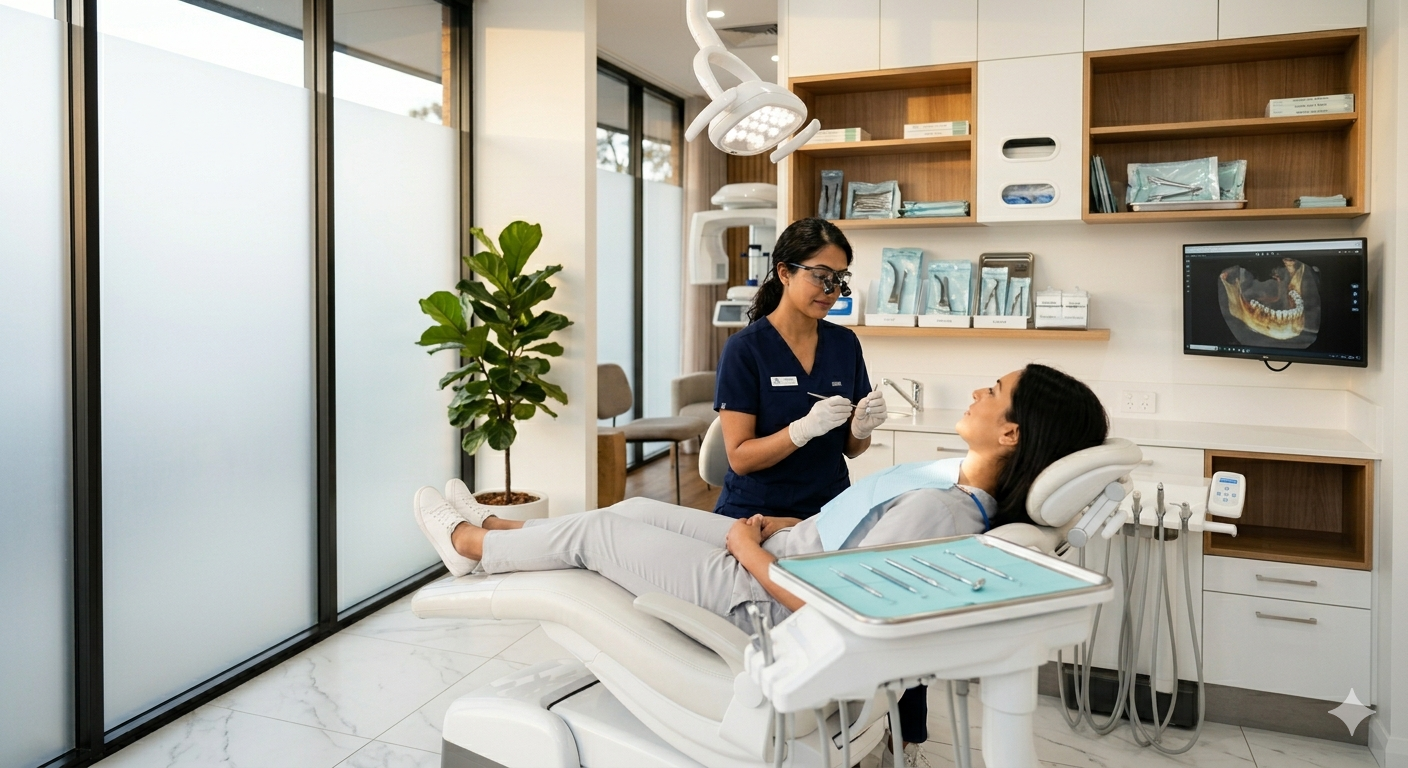
Dental implants in Williamsville, NY, offer a reliable solution for those missing teeth and looking to restore their smile with confidence. They are designed to act like natural teeth, providing stability and comfort that dentures or bridges may not always achieve. This makes them a popular choice for many people seeking long-term dental restoration.
The process is carefully tailored to each patient’s needs, ensuring minimal discomfort and a smooth recovery. With advancements in technology, dental implants can now be placed more precisely, helping patients enjoy better function and appearance.
Patients in Williamsville appreciate how implants not only improve chewing and speaking but also help preserve jawbone health. Exploring this option with a local dental expert can provide clearer answers and a personalized plan that fits their lifestyle.
What Are Dental Implants?
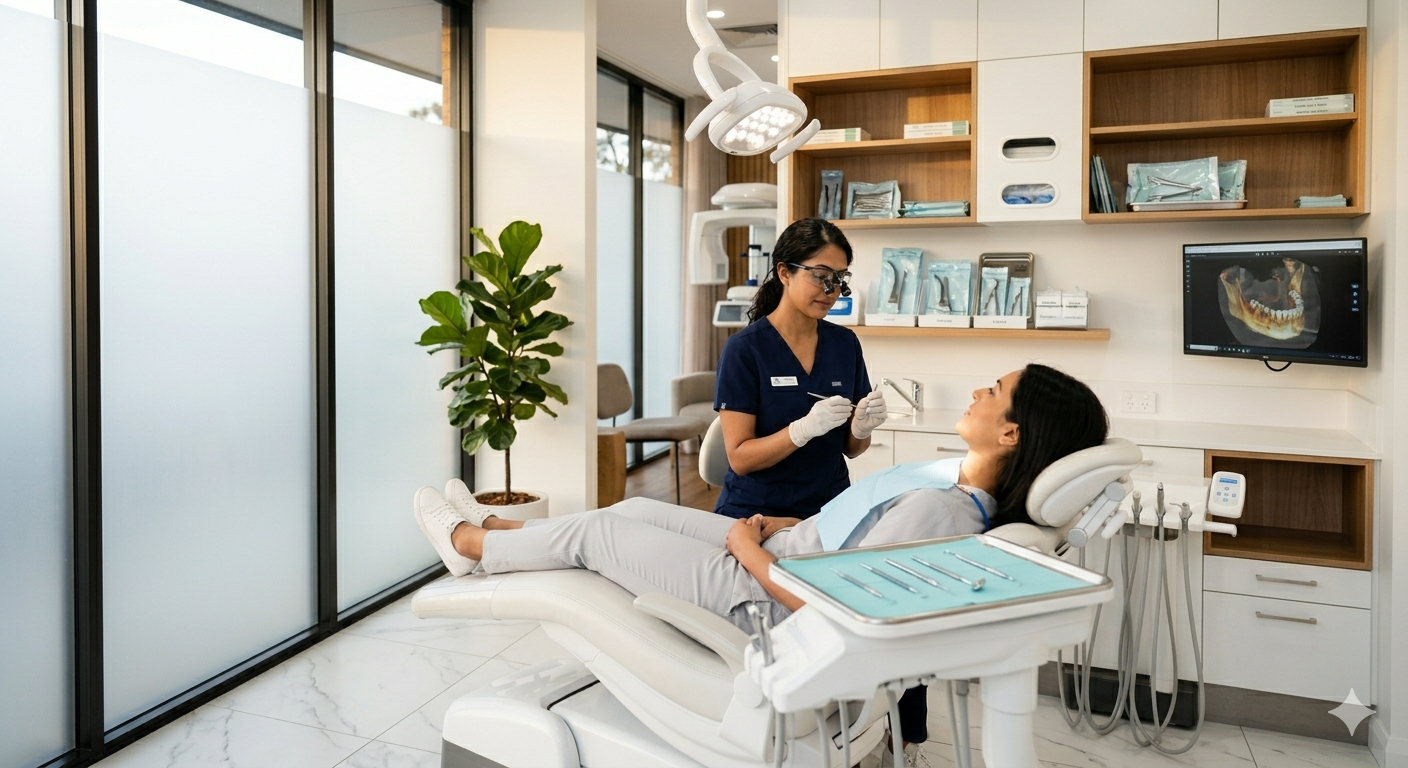
Dental implants are a modern solution for replacing missing teeth that closely mimic natural teeth in both function and appearance. They offer a durable foundation for crowns or bridges, providing lasting support and improving oral health. Understanding how implants work and why they might be better than traditional dentures can help patients make informed decisions.
Understanding Dental Implants
Dental implants are small titanium posts surgically placed into the jawbone to serve as artificial tooth roots. Over time, the bone fuses with the implant through a process called osseointegration, creating a stable base. Once healed, a custom-made crown or bridge is attached to the implant, restoring the look and function of a natural tooth.
Because titanium is biocompatible, it rarely causes rejection or allergic reactions. The implant acts like a natural root, preserving bone density and maintaining facial structure. This sets implants apart from other tooth replacement options.
Benefits Over Traditional Dentures
Unlike traditional dentures, dental implants do not rely on neighboring teeth for support or slip when eating or speaking. Implants are fixed in place, offering better comfort and confidence. They prevent bone loss that typically occurs when teeth are missing, helping maintain the jaw’s shape.
Implants do not require adhesives or soaking overnight. Cleaning them is similar to caring for natural teeth—brushing and flossing regularly. This makes daily oral hygiene easier and more effective. For many, implants mean fewer dietary restrictions and improved speech clarity compared to dentures.
How Dental Implants Restore Your Smile
Dental implants restore both the appearance and functionality of missing teeth. Because the implant is anchored in the bone, it supports chewing force like a natural tooth, allowing patients to eat a wide variety of foods comfortably.
They also prevent adjacent teeth from shifting into the gap, which can cause bite problems or misalignment. The crowns attached to implants are crafted to match the color and shape of existing teeth, creating a seamless look that boosts confidence.
Patients often experience an improvement in overall oral health and a renewed sense of normalcy after receiving implants. Discussing personalized treatment options with a dental professional will help determine if implants are the right choice.
Why Choose Dental Implants in Williamsville, NY?
Williamsville offers dental implant treatments that combine modern technology with skilled local care. Patients benefit from personalized attention, innovative procedures, and a focus on comfort throughout their implant journey.
Advanced Treatment Options in Williamsville
Dental implant providers in Williamsville use the latest techniques to ensure effective and minimally invasive treatment. Many offices offer 3D imaging and digital planning, which help create precise implant placements, improving success rates.
Options like same-day implants or guided surgery reduce treatment time and enhance recovery. These advanced tools allow dentists to tailor each procedure to a patient’s unique needs, minimizing discomfort and maximizing the outcome.
Patients also find access to a broader range of implant materials and methods, such as zirconia implants for those with metal sensitivities. This variety ensures treatments fit individual preferences and health considerations.
Local Expertise and Technologies
Williamsville dentists who place implants are often highly trained specialists. Many continue education with courses focused on implantology, staying current with evolving methods. This expertise increases the likelihood of long-lasting, stable results.
Dental offices in the area frequently invest in up-to-date technologies like cone beam CT scanners, which provide detailed 3D images of the jawbone and surrounding tissues. This technology helps detect potential issues before surgery, leading to safer and more accurate implant placement.
Having access to local experts means patients spend less time traveling and receive care within their community. It also allows for easy follow-up visits, which are crucial for monitoring healing and ensuring implant success.
Personalized Patient Care
In Williamsville, dental practices emphasize comfort and individualized treatment. Many providers take time to explain each step of the implant process clearly, addressing patient concerns about pain, healing, or costs.
Dental teams often customize anesthesia and sedation options to help patients feel relaxed during surgery. Follow-up care includes tailored maintenance plans and guidance on oral hygiene to protect the new implants.
Such personalized attention helps reduce anxiety and build trust. Feeling confident and well-informed encourages patients to maintain their implants properly, supporting long-term oral health and a beautiful smile.
The Dental Implant Procedure Explained
Dental implants involve several carefully timed steps to replace missing teeth with durable, natural-looking results. The process includes initial assessment, surgery, healing, and final restoration to ensure lasting success and comfort.
Step-by-Step Implant Process
First, the dentist evaluates the patient’s oral health and bone density using X-rays or 3D scans. This helps plan the precise placement of the implant post, which acts as an artificial tooth root.
Next comes the implant surgery, where a titanium post is gently inserted into the jawbone. After this, a healing period of 3 to 6 months follows, allowing the bone to fuse securely with the implant. This process is called osseointegration and is crucial for stability.
Finally, once healed, an abutment is attached to the implant post. This small connector supports the custom-made crown that will replace the visible tooth. The crown is carefully crafted to match the shape and color of natural teeth.
What to Expect During Each Visit
The first visit includes a detailed examination, imaging, and consultation. The dental team discusses the patient’s health history and treatment options to create a personalized plan.
During surgery, patients receive local anesthesia to manage pain, and the procedure usually takes about 1 to 2 hours. Minor swelling and discomfort are common afterward but typically resolve within a few days.
Follow-up visits monitor healing and allow for adjustments. The final appointment focuses on fitting and securing the crown, ensuring the implant looks natural and functions well within the smile.
Patient Comfort and Sedation Choices
Patient comfort is a priority in dental implant procedures. Most patients are treated with local anesthesia, which numbs the area but keeps them awake.
For those with anxiety or sensitivity, sedation options like nitrous oxide (laughing gas) or oral sedatives may be offered. These help relax the patient without compromising safety.
In some cases, especially complex surgeries, intravenous (IV) sedation or general anesthesia might be recommended. The dentist discusses all choices to tailor the experience, promoting a calm and stress-free procedure.
Who Is a Good Candidate for Dental Implants?
Choosing dental implants involves more than just wanting a new smile. It’s important to consider the health of your gums, the strength of your jawbone, and the specific needs of your smile to ensure successful treatment and lasting results.
Health Requirements for Implants
Dental implants require a foundation of good oral health. Candidates should have healthy gums free from active infection or periodontal disease since inflammation can interfere with healing and implant stability. Conditions like uncontrolled diabetes or autoimmune disorders can affect the body’s ability to heal and increase the risk of implant failure.
Smoking can also reduce success rates, so patients are often advised to quit or significantly cut down before and after the procedure. Your dentist will review your medical history and may suggest certain lifestyle changes or treatments to prepare your mouth for the implant process.
Bone Density Considerations
Adequate bone density and volume in the jaw are essential for supporting a dental implant securely. If the jawbone has deteriorated due to tooth loss or gum disease, it may not be strong enough to hold an implant.
In such cases, bone grafting or other rebuilding procedures can be recommended to restore this support. Advanced imaging helps dentists assess your bone quality precisely and plan whether additional treatments are needed before placing the implant.
Evaluating Your Unique Smile Needs
Every smile is different, and implant treatment is tailored accordingly. Factors like the location of missing teeth, bite alignment, and aesthetic goals play a role in determining candidacy.
For example, front tooth replacements require more attention to appearance and gum contouring, while molar implants need to withstand strong chewing forces. Your dentist will evaluate these details and discuss what type of implant and restoration will best fit your smile and lifestyle.
Types of Dental Implants Available
Dental implants come in various forms to meet different needs, from replacing a single missing tooth to restoring an entire arch. Each type offers unique benefits depending on the patient’s oral health, bone structure, and personal preferences.
Single Tooth Implants
Single tooth implants are designed to replace one missing tooth. A titanium post is surgically placed into the jawbone, serving as an artificial root. After it fuses with the bone, a custom crown is attached on top, matching the surrounding teeth in shape and color.
This option preserves adjacent healthy teeth since no grinding or alteration is needed, unlike traditional bridges. It also helps maintain jawbone density by stimulating the bone where the tooth was lost. Single tooth implants offer a natural look and strong chewing function.
Implant-Supported Bridges
Implant-supported bridges replace two or more consecutive missing teeth. Instead of relying on natural teeth for support, implants anchor the bridge firmly in place. Usually, two or more implants are placed on either side of the gap to hold the prosthetic teeth.
This method avoids placing strain on neighboring teeth, which traditional bridges might do. It’s an excellent solution when multiple teeth are missing in a row but the patient still has enough bone for implant placement. Implant-supported bridges restore both aesthetics and oral function reliably.
Full-Arch and All-on-4 Solutions
Full-arch implants replace an entire upper or lower row of teeth. The All-on-4 technique uses just four strategically placed implants to support a fixed prosthesis. This reduces the need for bone grafting and shortens treatment time.
These solutions provide stable, natural-feeling teeth with improved chewing and speaking compared to dentures. They are especially effective for patients with extensive tooth loss or those frustrated by removable dentures. Full-arch implants can dramatically enhance quality of life by restoring a confident smile.
Caring for Your Dental Implants
Dental implants require consistent care to stay healthy and functional over time. Proper cleaning, preventing problems, and routine dental visits all play a crucial role in the success of implants.
Daily Cleaning Tips
Keeping implants clean is essential to avoid plaque buildup and gum inflammation. Patients should brush twice daily using a soft-bristled toothbrush, making sure to gently clean around the implant crown and gum line. Using a low-abrasive toothpaste is best to protect the implant surfaces.
Flossing is just as important for implants as natural teeth. Specialized implant floss or interdental brushes can reach tight spaces around the implant posts. Rinsing with an antimicrobial mouthwash once a day helps reduce bacteria that cause infection. Avoid hard or sticky foods that could damage the implant or surrounding tissue in the early healing stages.
Preventing Complications
Infection and implant failure often result from poor oral hygiene or trauma. To reduce risks, patients should never ignore discomfort or swelling near the implant site. Smoking and excessive alcohol use can also impair healing and increase complications.
It’s important to protect implants during physical activities, such as sports, by wearing a mouthguard. Grinding and clenching teeth—known as bruxism—can put stress on implants and should be managed with a nightguard if recommended by a dentist. Regularly monitoring for signs like redness, bleeding, or looseness helps catch issues early.
Regular Checkups and Maintenance
Routine dental visits are vital to monitor implant health and surrounding teeth. Dentists typically recommend checkups every six months, during which they will examine the implant, gums, and bone structure.
Professional cleanings remove any stubborn plaque and tartar that daily brushing can miss. X-rays may be taken to assess bone integration and detect any hidden problems. If a patient experiences sensitivity, pain, or changes in bite, scheduling an appointment promptly can prevent complications from worsening.
Cost and Financing for Dental Implants in Williamsville
Dental implants in Williamsville come with varying costs depending on the procedure and materials used. Payment options and insurance coverage play major roles in managing these expenses while investing in dental implants supports long-term oral health and function.
Estimates and Payment Options
The total cost for a single dental implant in Williamsville typically ranges from $3,000 to $5,000. This price includes the implant post, abutment, and crown but may increase with additional procedures like bone grafts or extractions.
Many dental offices offer flexible payment plans to help spread out costs over several months without interest. Some accept credit cards, care credit, or financing through third-party lenders specifically for healthcare needs.
It’s best to get a detailed estimate upfront during consultation. Understanding what’s included and any additional fees helps avoid surprises and allows planning for affordable care.
Dental Insurance Considerations
Most dental insurance plans in Williamsville do not fully cover dental implants as they are often seen as elective or cosmetic treatments. However, some plans may cover parts of the procedure, such as the crown or initial consultation.
Patients should review their insurance policies carefully and ask their dental office to submit claims on their behalf. Some insurers offer partial benefits or coverage for related treatments like tooth extractions or bone grafting.
If insurance coverage is limited, combining it with in-house financing or health savings accounts (HSAs) can reduce out-of-pocket expenses.
Investing in Your Long-Term Health
Choosing dental implants is an investment in long-term oral health. Unlike bridges or dentures, implants preserve jawbone integrity and improve chewing function, which can prevent future dental problems.
The upfront cost may seem high, but implants often last 20 years or more with proper care. This longevity can save money over time by reducing the need for repeated repairs or replacements.
Williamsville patients are encouraged to discuss their financial options and health goals with their dentist to make an informed choice that fits their budget and lifestyle.
Common Concerns and Myths About Dental Implants
Many people wonder if dental implants are painful, last long, or fit smoothly into their daily routines. Understanding these points helps clear up doubts and sets realistic expectations about the implant process and lifestyle changes.
Addressing Pain and Recovery
Dental implants are done under local anesthesia, so patients don’t feel pain during the procedure. Some discomfort or swelling is normal afterward, but it usually fades within a few days.
Pain levels vary but can be managed effectively with over-the-counter pain relievers or prescribed medication. Modern techniques and skilled dentists focus on minimizing trauma to the gums and bone to promote quicker healing.
Patients typically return to normal activities within a day or two. Follow-up care, including good oral hygiene, supports faster recovery and reduces the chance of infection or complications.
Longevity and Success Rates
Dental implants have a success rate of about 95-98%, making them one of the most reliable tooth replacement options available. Proper care and regular dental check-ups contribute significantly to their longevity.
Unlike dentures, implants fuse with the jawbone, providing stable support that can last 20 years or more. Factors like smoking, untreated gum disease, or poor oral hygiene can affect implant survival.
Routine dental cleanings and avoiding excessive force on implants—such as grinding teeth—help maintain their function. Patients who commit to these habits usually enjoy many years of implant success.
Impact on Daily Life
Dental implants function very much like natural teeth. They allow patients to eat a wide range of foods without discomfort or slipping, unlike some removable dentures.
Speaking clearly and comfortably is easier with implants because they stay firmly in place. Many find that implants improve confidence in social and professional situations.
Regular brushing, flossing, and dental visits remain essential. There are no special tools or cleaning routines beyond what one would use for natural teeth. This simplicity makes implants a convenient, low-maintenance solution.
Next Steps Toward a Healthier Smile
After deciding on dental implants, the next step is a thorough consultation with a trusted Williamsville dentist. They will assess oral health, take X-rays, and discuss your medical history to create a personalized treatment plan.
Patients should ask about what to expect during each stage—from implant placement to healing time. Comfort and clear communication are key, and your provider will explain options to minimize discomfort.
Good oral hygiene is essential before and after getting implants. Brushing twice a day, flossing, and regular dental checkups help ensure the implant lasts and the surrounding tissue stays healthy.
Here’s a quick checklist to prepare for dental implants:
- Schedule an initial consultation
- Share complete medical and dental history
- Follow all pre-surgery guidelines provided
- Plan for healing and follow-up visits
Taking these steps helps clients feel confident and ready. With modern dental technology and caring experts nearby, achieving a healthier smile is within reach.
Patients are encouraged to reach out with any questions or to book a consultation in Williamsville today.
Frequently Asked Questions
Dental implants involve several steps and considerations that vary depending on individual health and preferences. Knowing what to expect, who is best suited for implants, and how to care for them can help patients feel more confident.
Am I a good candidate for dental implants if I have an autoimmune condition?
Patients with autoimmune conditions should consult their dental specialist before proceeding. Healing may be slower, but many with controlled autoimmune issues can still receive implants safely.
The provider will review medical history and may coordinate with your physician to ensure the best outcome.
What does the dental implant process look like from the first visit to the final tooth?
The process begins with an initial consultation and imaging to assess bone health. Next, the implant post is surgically placed into the jawbone.
After several months of healing, the abutment and custom crown are attached to complete the restoration.
How long do dental implants typically last, and what can I do to help them last longer?
Dental implants often last 20 years or more with proper care. Maintaining good oral hygiene and regular dental check-ups is essential.
Avoiding smoking and excessive force on implants also supports their longevity.
Will my insurance or Medicare help cover the cost of dental implants, and what are my options if they don’t?
Many insurance plans do not fully cover dental implants, and Medicare typically excludes dental surgery coverage.
Some offices offer flexible payment plans and financing options to make treatment more affordable.
Does getting a dental implant hurt, and what kind of sedation or comfort options are available?
Discomfort is usually minimal and manageable with local anesthesia during surgery.
Patients can discuss sedation options, such as nitrous oxide or oral sedation, to stay relaxed during the procedure.
How do I choose between a periodontist, oral surgeon, or general dentist for implant treatment?
Periodontists specialize in gum and bone health, oral surgeons focus on surgical placement, and some general dentists offer implants as part of their services.
Choosing depends on case complexity and patient comfort; a consultation can help determine the best provider.


