




Dental bone grafting in Williamsville, NY, is a common procedure designed to rebuild and strengthen the jawbone when it has weakened due to tooth loss, injury, or disease. This treatment provides a stable foundation for dental implants, ensuring better long-term results and improved oral health. Many patients find that bone grafting helps restore both function and confidence in their smile.
Experienced dental professionals in Williamsville use modern techniques to make the process as comfortable and effective as possible. They work closely with patients to explain each step and tailor care to individual needs, focusing on patient comfort and successful outcomes.
If you’re considering dental implants or have bone loss concerns, understanding how bone grafting works can help ease worries. Asking questions and consulting with a local expert is a great first step toward healthier teeth and a stronger jaw.
What Is Dental Bone Grafting?
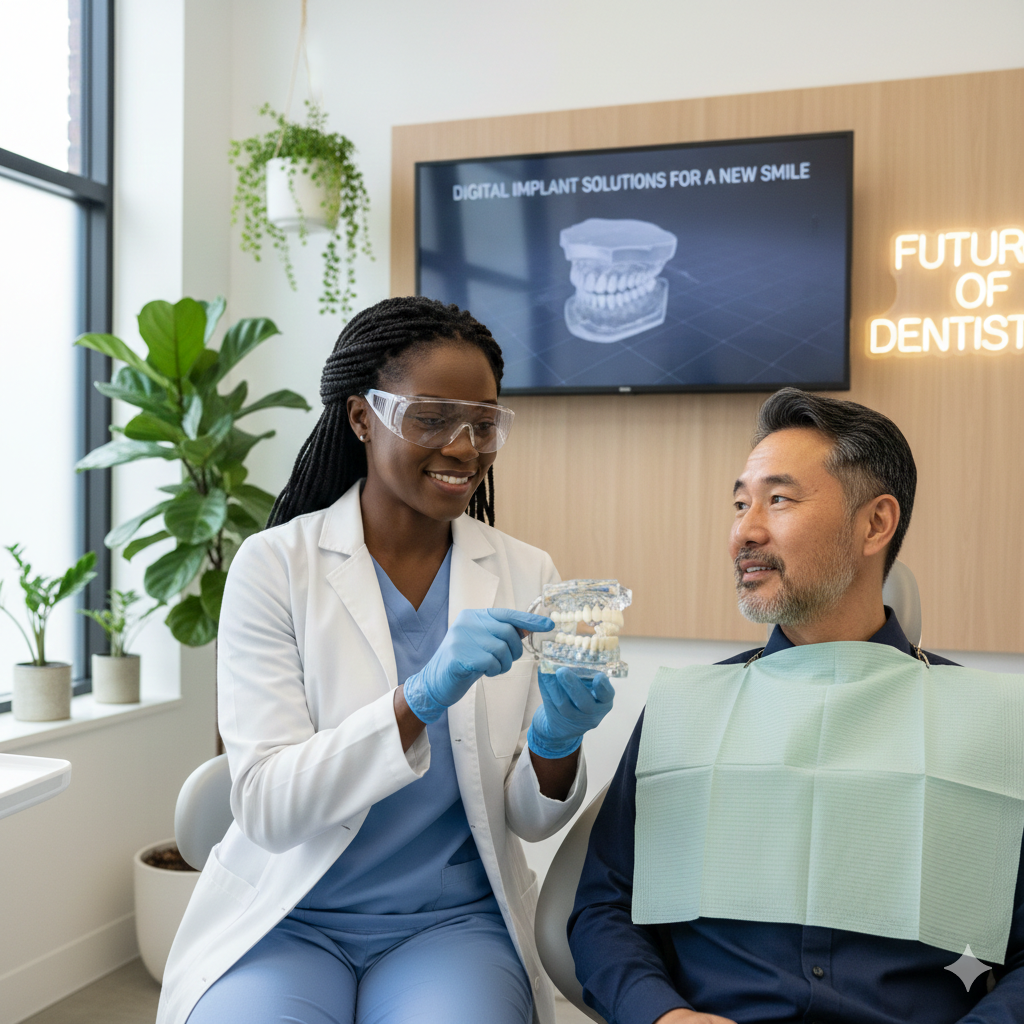
Dental bone grafting is a procedure designed to rebuild or strengthen the jawbone where natural bone is missing. It is essential when the bone has deteriorated or is too thin, often due to tooth loss or injury. This treatment helps create a stable foundation for dental work like implants.
Definition and Purpose
Dental bone grafting involves placing bone material into areas where the jawbone has lost volume or strength. The graft can come from the patient’s own bone, a donor, or synthetic sources. Its main goal is to encourage new bone growth, restoring the jaw’s shape and firmness.
This process helps maintain facial structure and prevents further bone loss. Without a strong jawbone, dental restorations such as bridges or dentures won’t fit properly, making everyday activities like chewing uncomfortable.
When Is Bone Grafting Needed?
Bone grafting becomes necessary when the jawbone isn’t thick or dense enough to support dental implants. Common causes include tooth extraction, gum disease, or trauma. Over time, missing teeth can lead the bone to shrink because it no longer receives stimulation from chewing.
Sometimes, patients find out they need bone grafting during an implant consultation. In these cases, the dentist will assess bone quantity and quality through X-rays or 3D scans to plan the best treatment path.
How Bone Grafting Supports Dental Implants
A strong jawbone is crucial for dental implants to anchor securely. Bone grafting improves implant success by providing a solid base that mimics natural bone. Implants fuse with the grafted bone through a process called osseointegration, ensuring stability.
Without sufficient bone, implants may fail or become loose, affecting chewing, speaking, and smiling. By rebuilding the bone first, patients can enjoy durable, long-lasting implants that look and function just like natural teeth.
Types of Dental Bone Grafting Procedures
Dental bone grafts come in several forms, each designed to address specific needs and areas in the mouth. Understanding the differences helps patients know what to expect and how these procedures support long-term dental health.
Socket Preservation
Socket preservation is performed immediately after tooth extraction. The goal is to prevent bone loss in the empty socket to maintain the shape and size of the jawbone.
In this procedure, bone graft material is placed directly into the socket. It acts as a scaffold for new bone growth, keeping the area stable for future dental implants or restorations.
It’s a relatively simple process that reduces the need for more extensive grafting later. Patients appreciate socket preservation because it helps maintain facial structure and supports successful implant placement.
Sinus Lift
A sinus lift targets the upper jaw, particularly near the molars and premolars where the sinus cavities are close to the bone. This procedure raises the sinus membrane to create space for bone graft material.
The added bone increases the thickness of the bone beneath the sinus, which is often necessary before placing implants in the upper back teeth. Without enough bone, implants might fail due to lack of support.
The sinus lift is typically done as an outpatient procedure and can require a few months for healing. It’s important for patients to follow post-operative care instructions closely to avoid complications.
Ridge Augmentation
Ridge augmentation rebuilds bone in areas where the jawline has shrunk due to tooth loss or injury. This procedure restores the natural contour of the gum and jawbone.
Bone graft material is carefully shaped and secured to the deficient ridge. Over time, it integrates with the existing bone, creating a stable base for implants or dentures.
This technique improves the fit and appearance of dental prosthetics, making a smile look natural and symmetrical. Patients benefit from enhanced oral function and aesthetics after ridge augmentation.
If you have questions about which option fits your needs, a consultation with a dental specialist in Williamsville is a great first step.
Why Patients in Williamsville NY May Need Bone Grafting
Bone grafting is often necessary to restore lost bone in the jaw, ensuring a stable foundation for dental treatments. Many patients in Williamsville face bone loss due to specific dental health issues or injury. Proper planning helps tailor solutions to each individual’s needs.
Common Local Reasons for Bone Loss
In Williamsville, patients frequently experience bone loss from periodontal disease, which causes infection and inflammation of the gums. This condition can lead to deterioration of the bone supporting the teeth if left untreated.
Other common causes include tooth extraction without timely replacement and trauma from accidents or injury. When a tooth is lost, the surrounding bone begins to shrink because it no longer has the stimulation it needs to stay healthy.
Patients with chronic health issues like diabetes or those who smoke may have higher risks of bone loss. These factors can affect healing and bone maintenance, making grafting more necessary.
Benefits for Dental Implant Success
Dental implants require a strong, dense bone to anchor securely. Bone grafting provides this foundation by encouraging new bone growth in areas where the jaw has weakened or shrunk.
Without enough bone volume, implants may fail, causing discomfort or additional procedures. Grafting increases the chance that implants will last long-term and feel natural.
In Williamsville, modern bone grafting techniques use materials safe for the body and support faster healing. This leads to more predictable implant outcomes and less overall discomfort for the patient.
Personalized Treatment Planning
Every patient in Williamsville receives an exam and detailed imaging to assess bone quality and quantity. This data helps dental experts create a grafting plan tailored to individual needs.
The type of graft material and procedure depends on factors such as the size of the bone defect and the patient’s health. Some grafts use synthetic material, while others involve bone from the patient or a donor source.
Personalized care also includes preparing the patient with information on healing and aftercare. This approach helps patients feel comfortable and confident throughout their treatment journey.
What To Expect During the Bone Grafting Process
Bone grafting involves careful planning, precise steps, and proper healing care. Patients can expect a straightforward process designed to restore bone and prepare the mouth for dental implants or other treatments.
Preparing for Your Procedure
Before the procedure, a dentist or oral surgeon will review your medical history and take detailed scans or X-rays to assess bone loss. This helps create a personalized treatment plan that matches your unique needs.
Patients may be advised to avoid certain medications like blood thinners to reduce bleeding risks. Eating a light meal before the appointment is usually recommended unless sedation is planned.
Clear instructions about oral hygiene will be given to minimize infection risk. Discuss any concerns about anesthesia or pain management options with your provider ahead of time.
Step-by-Step Procedure Overview
The procedure starts by numbing the area with local anesthesia, so the patient feels minimal discomfort. The surgeon then makes an incision to expose the damaged bone.
Bone graft material, which can be synthetic, from a donor, or from the patient’s own body, is carefully placed into the area needing repair. Sometimes a membrane is added to protect the graft and support healing.
The site is closed with stitches that may dissolve or need removal later. The entire process typically takes about one to two hours, depending on the size of the graft.
Aftercare Instructions
After surgery, patients should rest and avoid physical strain for at least 24 to 48 hours. Ice packs help reduce swelling, which usually peaks within the first two days.
It’s important to follow a soft diet and avoid hot, spicy, or crunchy foods that might irritate the site. Maintaining good oral hygiene is crucial, but brushing near the graft should be gentle.
Pain medication or antibiotics may be prescribed to manage discomfort and prevent infection. Follow-up visits ensure the graft is healing properly and allow the dentist to check for any complications.
Comfort-Based Care and Patient Experience
Patients receiving dental bone grafts often worry about pain, anxiety, and recovery. Practices in Williamsville focus on reducing discomfort through tailored pain relief, supportive care during treatment, and clear recovery guidance.
Pain Relief and Sedation Options
Dentists use several pain management techniques before, during, and after the procedure. Local anesthesia is standard, numbing the area completely. For those with anxiety or who require more comfort, options include oral sedatives, nitrous oxide (laughing gas), and IV sedation.
This range of choices helps patients relax and minimizes discomfort. The type of sedation chosen depends on medical history, procedure complexity, and patient preference. Pain medication is often prescribed post-surgery to control any soreness, with detailed instructions given to avoid complications.
How We Help You Stay Comfortable
Comfort during the procedure goes beyond anesthesia. Williamsville specialists use gentle surgical techniques and modern tools designed to reduce tissue trauma. The environment is patient-friendly, focusing on calming lighting and clear, reassuring communication.
Staff members check in frequently on patient comfort levels throughout the process. They explain each step so patients know what to expect. Small measures, like warm blankets or stress-relief breathing exercises, can also help patients feel supported and safe.
Your Recovery Journey
After the graft, following recovery instructions closely is essential for healing and minimizing discomfort. Patients receive guidance on diet, oral hygiene, and activity restrictions to protect the surgical site.
Common side effects include mild swelling and tenderness, which typically improve within a week. Follow-up visits allow the dentist to monitor healing progress and address any concerns quickly. Clear instructions and ongoing support help make recovery as smooth as possible.
Materials Used in Bone Grafting
Bone grafting materials vary widely, each with unique benefits and uses. Some come from natural sources, while others are lab-made. Understanding these helps patients make informed decisions about their treatment options.
Natural vs. Synthetic Graft Materials
Natural graft materials typically come from the patient’s own body (autografts), a donor (allografts), or animals (xenografts). Autografts are considered the gold standard because they carry living bone cells and proteins that promote healing. However, they require an additional surgical site, which can increase recovery time.
Allografts come from human donors and are treated to be safe for transplantation. They avoid the extra surgery but rely on donor bone quality. Xenografts, often sourced from cows, act as a scaffold for new bone growth and are widely used for their availability.
Synthetic materials are man-made, usually composed of calcium phosphate, hydroxyapatite, or bioactive glass. These materials are designed to support bone growth without risk of disease transmission. They offer consistent quality and are often preferred by patients who want to avoid animal or human donor materials.
Choosing the Right Material for You
Selecting the right graft material depends on several factors, including the patient’s health, bone loss severity, and personal preferences. A dentist in Williamsville will review medical history and perform scans to recommend the best option.
If minimizing surgery is a priority, synthetic or allografts may be advised. Patients seeking the quickest bone regeneration might lean toward autografts, though they involve a longer recovery. Those concerned about animal products can discuss synthetic alternatives with their dentist.
Ultimately, the chosen material must integrate well with existing bone and support long-term dental health. The dental team will ensure the graft material suits individual needs and will explain all options carefully.
Risks and Benefits of Dental Bone Grafting
Dental bone grafting helps rebuild bone in the jaw to support implants or restore facial structure. It offers specific improvements in function and appearance but also carries certain risks that dentists carefully manage.
Potential Benefits for Your Smile
Bone grafting stabilizes the jaw, creating a solid foundation for dental implants. This means implants fit better and last longer, improving chewing and speaking abilities.
It also preserves facial shape by preventing bone loss after tooth extraction. Many patients notice a more youthful, balanced appearance as a result.
In addition, grafts can repair damage from injury or disease, making future dental work easier and more successful. For those who want implants but lack bone, grafting often makes treatment possible.
Possible Risks and How We Minimize Them
Some swelling, bruising, or mild discomfort is common after grafting, usually fading within a week. Infection is rare but prevented by sterile technique and sometimes antibiotics.
There is a small chance the graft may not integrate with the existing bone, which might require additional procedures. Careful patient selection and monitoring reduce this risk.
Patients with certain health issues or smokers may have slower healing. Dentists provide clear aftercare instructions to support recovery and minimize complications.
If you’re considering bone grafting, discussing these risks and benefits with your dental provider can help set the right expectations and ensure the best results.
Dental Bone Grafting for Different Age Groups
Dental bone grafting techniques vary depending on a patient’s age and overall health. Factors like healing ability, bone density, and lifestyle can all impact treatment success and recovery time.
Caring for Adults
Adults typically have a stable bone structure, making bone grafting procedures straightforward. Healing is generally predictable if the patient maintains good oral hygiene and follows post-surgery care instructions.
Smoking cessation is crucial for adults undergoing grafts, as tobacco use can delay healing and increase the risk of complications. Adults should also manage any chronic conditions like diabetes, as uncontrolled blood sugar can impair recovery.
Regular follow-up visits allow the dentist to monitor the integration of the graft material with the existing bone. Patients are often advised to avoid heavy physical activity and consume soft foods during the initial healing phase.
Special Considerations for Seniors
Seniors may face challenges such as decreased bone density and slower healing rates. Bone grafting can still be effective, but pre-procedure assessments focus on bone quality and general health status.
It’s important to evaluate medications that might affect healing, such as blood thinners or osteoporosis treatments. Coordination with the patient’s primary care doctor helps create a safe treatment plan.
Seniors may benefit from gentler grafting techniques and extended recovery times. Maintaining a balanced diet and carefully following the dentist’s instructions can improve outcomes. Comfort measures and clear communication about what to expect help reduce any anxiety related to the procedure.
Finding a Trusted Williamsville NY Dental Bone Grafting Specialist
Choosing the right dental bone grafting expert means focusing on experience, credentials, and patient care. Knowing what to expect during your consultation will help you feel confident and comfortable.
Qualities to Look For in Your Provider
A skilled dental bone grafting specialist in Williamsville will have advanced training in oral surgery or periodontics. Certifications from recognized dental boards show they have met rigorous standards.
Look for a provider who uses the latest technology and materials to improve outcomes and reduce healing time. Positive patient reviews highlighting gentle care and clear communication are good signs.
It’s important that the specialist explains the procedure step-by-step and discusses pain management options. A team focused on patient comfort and safety can ease any worries you have about the treatment.
Questions to Ask at Your Consultation
Ask about the specialist’s experience with bone grafting, specifically how many procedures they perform annually. Inquire about success rates and how they handle complications.
Understanding what type of graft material they use (autograft, allograft, or synthetic) and why is key. Ask how long your recovery might take and what to expect in terms of pain or swelling.
Clarify costs and insurance coverage upfront. It’s also helpful to learn about follow-up care and how they monitor healing to ensure the bone graft integrates properly.
Cost and Insurance Considerations
Dental bone grafting costs vary depending on the type of graft, the complexity of the procedure, and the provider’s fees. Insurance coverage can be unpredictable, so understanding out-of-pocket expenses and payment options is essential for planning.
How Much Does Bone Grafting Cost in Williamsville NY?
In Williamsville, dental bone grafting typically costs between $300 and $3,000 per site. The price depends on factors such as the graft material used—autografts from the patient’s own body generally cost more than synthetic or donor materials.
Procedures involving multiple grafts or combining bone grafting with implant placement can increase expenses. Additional fees may include consultation, imaging (like CT scans or X-rays), and post-operative care.
Many providers offer itemized estimates upfront. It’s a good idea to request a detailed quote to avoid surprises.
Understanding Insurance and Payment Options
Most dental insurance plans offer limited coverage for bone grafting because it’s often categorized as a surgical or elective procedure. However, some medical insurance policies may cover grafts linked to accident-related injuries or medically necessary treatments.
Patients should check with their insurance company directly to confirm their specific benefits. Many Williamsville dental offices also provide flexible payment plans or financing options to make treatment affordable.
Using CareCredit or similar healthcare credit cards is common and allows spreading costs over multiple months with low or no interest. Discussing finances openly with your dentist helps find solutions tailored to your budget.
Taking the Next Steps Toward a Healthier Smile
After deciding on dental bone grafting, the next steps focus on patient comfort and clear communication. The dental team in Williamsville, NY, ensures every patient understands the procedure and what to expect before, during, and after treatment.
Scheduling a consultation allows the dentist to evaluate the patient’s specific needs. They will discuss treatment options, recovery timelines, and answer any questions. This personalized approach builds confidence and eases concerns about the process.
Following the procedure, patients receive detailed care instructions to support healing. This may include guidance on diet, oral hygiene, and managing discomfort. Staff often recommend follow-up visits to monitor bone growth and overall oral health.
Patients are encouraged to maintain regular dental check-ups to protect their investment in a stronger jawbone and healthier smile. Preventive care and gentle daily habits go a long way in keeping results lasting.
If patients ever feel unsure, the Williamsville dental team welcomes calls or visits to provide reassurance and additional support. Taking that first step by reaching out can lead to better dental health and greater peace of mind.
Frequently Asked Questions
Dental bone grafting involves specific steps and recovery times that vary by patient. Different graft types suit different dental needs, and understanding potential risks helps set realistic expectations. Insurance coverage can depend on individual plans and treatment reasons.
What can I expect during a dental bone graft procedure?
The dentist will numb the area before carefully placing bone material where needed. The procedure usually takes about an hour, depending on the size of the graft. Some swelling and discomfort afterward are normal but manageable with medication.
How long does recovery from a dental bone graft take?
Recovery typically takes two to four weeks for the initial healing phase. Complete integration of the graft material with natural bone may take several months. Patients should follow post-op care instructions to reduce swelling and avoid complications.
Are there different types of bone grafts for dental procedures?
Yes, options include autografts (from the patient’s own body), allografts (from a donor), xenografts (from animals), and synthetic materials. Each type offers unique benefits depending on the extent of bone loss and patient preference.
What are the potential complications of dental bone grafting?
Infection, graft rejection, and prolonged swelling or pain are possible but uncommon. Proper oral hygiene and following the dentist’s guidance significantly reduce risks. Regular follow-ups help catch any issues early.
How can I tell if I need a bone graft before getting a dental implant?
A consultation with imaging like X-rays or CT scans helps assess bone density and volume. If the jawbone is too thin or weak to support an implant, a bone graft is often recommended. The dentist evaluates each case individually.
Is dental bone grafting covered by insurance?
Coverage depends on the insurance plan and whether the procedure is deemed medically necessary. Some plans cover part or all of the graft when linked to implant preparation or injury repair. Patients should check with their provider before treatment.


