




Dental implants in Williamsville, NY, offer a reliable solution for anyone dealing with missing teeth. They act like natural tooth roots, providing a strong foundation for replacement teeth that look and feel real. This approach helps restore not just your smile but also your ability to chew and speak comfortably.
Local dental experts focus on patient comfort and use modern techniques to make the implant process smooth and effective. They understand that every patient’s needs are different and tailor treatments accordingly. This makes dental implants a popular choice for lasting dental health in the Williamsville community.
What Are Dental Implants?
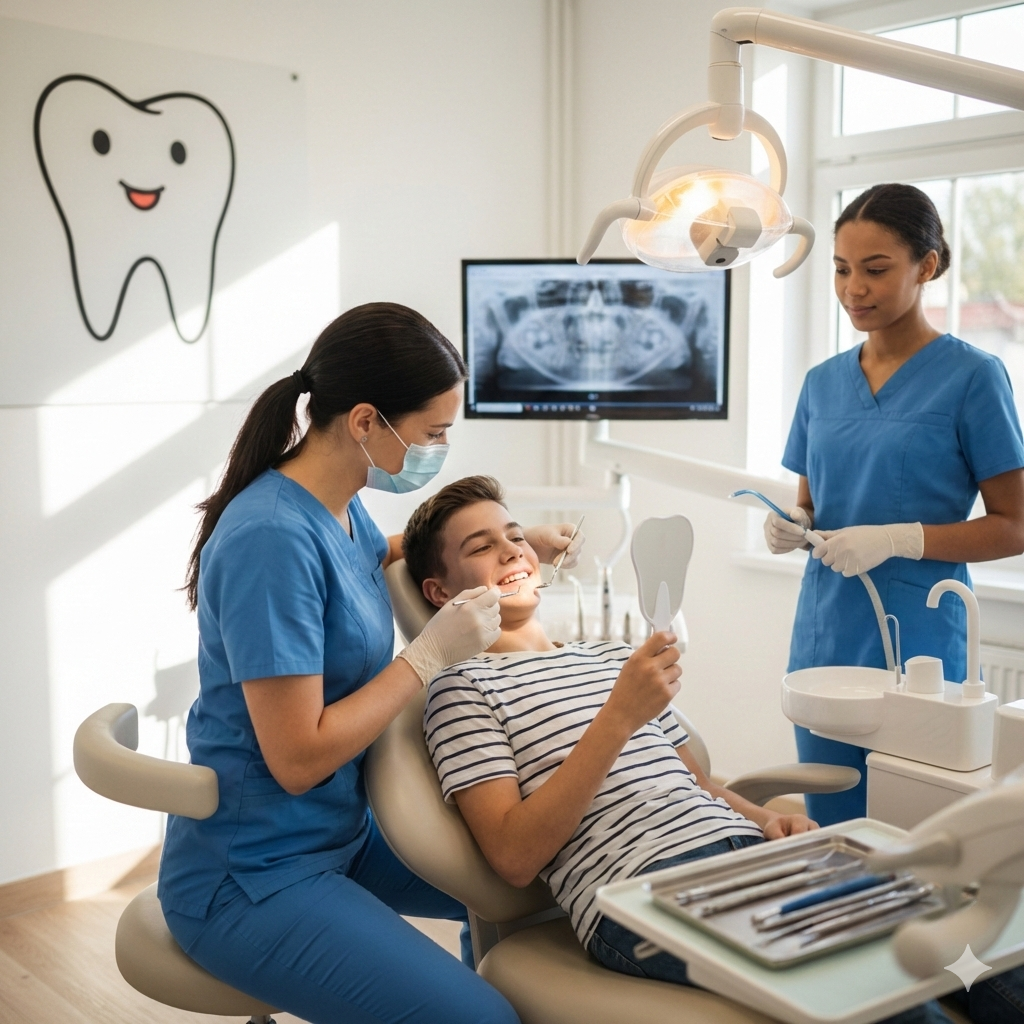
Dental implants are artificial tooth roots made of titanium that provide a strong foundation for permanent or removable replacement teeth. They mimic the function of natural tooth roots, supporting crowns, bridges, or dentures. Implants fuse with the jawbone through a process called osseointegration, ensuring stability and durability.
This method restores chewing ability and preserves facial structure, preventing bone loss that happens with missing teeth. Implants also look and feel more natural than other tooth replacement options.
Benefits of Choosing Dental Implants
Dental implants offer several benefits beyond simply replacing missing teeth. They help maintain jawbone health by stimulating bone growth, which prevents bone deterioration seen with other tooth loss treatments. This keeps the face from sagging or appearing sunken.
Implants also provide long-term durability, often lasting 20 years or more with proper care, making them a cost-effective solution. Unlike dentures, they don’t slip or cause discomfort while eating or speaking.
Another benefit is that implants preserve adjacent teeth. Unlike bridges, they don’t require grinding down neighboring teeth for support. This protects the healthy teeth and maintains overall oral health.
Types of Dental Implants Available
There are several types of dental implants tailored to different needs. The most common is the endosteal implant, which is surgically placed directly into the jawbone. It can support single crowns, bridges, or full dentures.
Another type is the subperiosteal implant, placed on top of the jawbone but beneath the gum, used mainly for patients with insufficient bone height who cannot undergo bone grafts.
Some patients may consider all-on-4 implants, where four implants support a full arch of replacement teeth. This option reduces treatment time and avoids the need for multiple individual implants.
Each implant type is chosen based on the patient’s jawbone condition, health, and personal preferences.
Why Choose Dental Implants in WILLIAMSVILLE, NY?
Dental implants here combine skilled local care with the latest technology to deliver lasting, natural-looking results. Patients benefit from customized treatment that prioritizes comfort and long-term oral health.
Local Expertise and Modern Technology
Williamsville dentists bring years of experience specifically in implant dentistry, understanding the unique needs of the community. They use advanced imaging tools, like 3D cone beam CT scans, to plan each implant precisely. This reduces surprises during surgery and helps secure the implant firmly in place.
Clinics in Williamsville often incorporate digital workflows, from designing the implant crown to guiding the placement process. These innovations shorten treatment times and improve accuracy. Patients can feel confident knowing their care is backed by both skill and up-to-date technology.
Personalized Patient Care
Every implant plan in Williamsville starts with a detailed evaluation of the patient’s oral health and lifestyle. Providers listen carefully to concerns, explain options clearly, and adjust procedures to fit each person’s needs.
Comfort is a focus throughout treatment. Gentle sedation and minimally invasive techniques help ease anxiety and speed recovery. Follow-up care is also tailored, with clear instructions and check-ins to ensure the implant heals well. This personal approach helps patients feel supported at every step.
The Dental Implant Process Explained
Getting a dental implant involves careful planning, precise placement, and a healing phase. Each step is designed to ensure the implant feels natural and functions well for years to come.
Initial Consultation and Evaluation
The process begins with a detailed consultation. During this visit, the dentist reviews the patient’s dental and medical history to determine implant suitability.
They perform X-rays or 3D scans to assess jawbone density and structure. Good bone quality is crucial because it supports the implant securely. If the bone is weak, a graft might be recommended before proceeding.
The dentist also discusses expectations, explains treatment options, and develops a personalized plan. This helps patients understand the timeline and what to expect during the implant journey.
Step-by-Step Implant Placement
First, the area is numbed with local anesthesia to ensure comfort. Then, a small incision is made in the gum to expose the jawbone.
A tiny hole is drilled carefully, and the titanium implant post is inserted deep into the bone. The dentist closes the gum over the implant or places a healing cap. This protects the site as it heals.
In some cases, a temporary crown may be placed on the implant. This lets the patient maintain function and appearance while waiting for full integration.
Healing and Recovery Timeline
After placement, the implant undergoes osseointegration—bonding firmly with the jawbone. This usually takes three to six months.
During this time, the patient should follow specific care instructions such as avoiding hard foods and maintaining good oral hygiene. Mild swelling or discomfort is common and manageable with over-the-counter pain relief.
Once healed, the dentist attaches an abutment and a custom-made crown. The crown fits naturally and restores chewing and smiling confidently. Regular dental visits help ensure lasting success and address any concerns.
Who Is a Good Candidate for Dental Implants?
Determining candidacy for dental implants depends on overall health, oral condition, and lifestyle. It’s important to assess factors that affect healing and the success of the implant. Alternatives exist for those who may not meet traditional implant criteria but still want to restore their smile.
Health and Lifestyle Considerations
Good candidates generally have healthy gums and enough jawbone to support the implant. Conditions like uncontrolled diabetes or immune disorders can slow healing and increase risks. Smoking also impacts success by reducing blood flow and interfering with gum tissue repair.
A dental exam and 3D imaging help measure bone density and check for infection. Patients must maintain good oral hygiene and be committed to regular dental visits. Age itself is not a limitation; many older adults successfully get implants if their health is stable.
Alternative Solutions for Missing Teeth
If implants aren’t an option, there are other ways to replace missing teeth. Dentures are a removable solution that doesn’t require surgery but may feel less secure. Dental bridges use nearby teeth as support, avoiding implants but needing alteration of natural teeth.
For some, bone grafting or sinus lifts can prepare the jaw for future implants. Discussing all options with a dentist ensures the right fit for comfort, budget, and health. Exploring alternatives early helps patients plan their best path to a confident smile.
Comfort and Care During Your Dental Implant Journey
Many patients wonder how comfortable the dental implant process will be and what measures are taken to make the experience as smooth as possible. Managing pain and anxiety starts before the procedure and continues throughout healing, ensuring patients feel supported every step of the way.
Sedation and Pain Management Options
Dentists in Williamsville offer several sedation choices tailored to individual comfort levels. Local anesthesia numbs the implant site, so patients feel little to no pain during surgery. For those nervous about dental work, options include:
- Nitrous oxide (laughing gas): Offers mild relaxation and wears off quickly.
- Oral sedation: Pills taken before the appointment to ease anxiety.
- IV sedation: Provides a deeper state of calm while patients remain conscious.
Post-surgery, over-the-counter pain relievers or prescribed medications help control discomfort. Cold compresses reduce swelling, and clear aftercare instructions support healing. These options ensure patients experience minimal pain and anxiety from start to finish.
Ensuring a Stress-Free Experience
Williamsville dentists understand that fear of dental procedures can cause significant stress. They prioritize open communication, answering all questions before treatment begins. Comfortable office environments with calming decor and gentle music create a soothing atmosphere.
Staff members are trained to recognize signs of anxiety and respond with patience and encouragement. Scheduling flexibility allows patients to choose times that work best, reducing the stress of rushing or waiting. The focus is on creating a partnership between patient and provider, where trust helps ease nerves and builds confidence throughout the implant journey.
Caring for Your Dental Implants
Proper care is essential to keep dental implants healthy and functioning well. This involves daily habits and regular attention to prevent complications and ensure your implants last many years.
Daily Oral Hygiene Tips
Dental implants require consistent cleaning, just like natural teeth. Brushing twice a day with a soft-bristle toothbrush helps remove plaque without damaging the implant surface. Using a low-abrasive toothpaste prevents scratching the implant.
Flossing once daily is also important to clean the spaces between implants and natural teeth. Special implant floss or interdental brushes can be easier to maneuver and more effective.
Rinsing with an antimicrobial mouthwash can reduce bacteria levels, promoting gum health around the implant. Avoid tobacco and excessive alcohol, as they increase the risk of implant failure.
Maintaining Long-Term Implant Health
Regular dental check-ups allow the dentist to monitor the implant and surrounding tissues. Professional cleanings remove hard-to-reach plaque and tartar build-up that daily care can miss.
Watch for signs of gum inflammation, such as redness, swelling, or bleeding, and report them promptly. These symptoms can signal peri-implantitis, which requires early treatment.
Maintaining a balanced diet rich in vitamins and minerals supports healing and bone strength. If grinding teeth at night is an issue, a custom night guard can protect implants from excessive force.
Consistent care combined with professional support keeps implants healthy and secure over time.
Cost of Dental Implants in WILLIAMSVILLE, NY
Dental implant costs in Williamsville vary depending on several factors, including the type of implant, the number of implants needed, and any additional procedures like bone grafting. Patients should know the role of insurance and payment options to make the treatment more affordable. The long-term benefits often justify the upfront investment.
Insurance and Payment Plans
Most dental insurance plans in Williamsville don’t fully cover dental implants because they are considered elective or cosmetic procedures. However, some policies may cover parts of the process, such as the consultation, X-rays, or preliminary treatments like extractions.
Many dental offices offer flexible payment plans to spread the cost over several months or years. These plans often include low or no interest financing options. Patients can also explore third-party financing companies that specialize in healthcare payments for easier budgeting. It’s important to ask the dental provider about all payment options and potential out-of-pocket costs before starting treatment.
Value of Investing in Your Smile
Dental implants not only restore appearance but also improve oral health by preventing bone loss and maintaining jaw structure. In Williamsville, this investment can save money in the long run by reducing the need for future dental work.
Patients often find that implants feel and function like natural teeth, boosting confidence and comfort during eating and speaking. When considering cost, it helps to think about implants as a durable, long-lasting solution rather than a short-term fix. This approach makes the financial commitment more understandable and worthwhile for many people.
Life After Dental Implants: What to Expect
Adjusting to dental implants involves a few key changes in daily life, especially around eating, speaking, and personal confidence. Many patients notice a smooth transition with proper care and realistic expectations.
Eating and Speaking with Implants
Dental implants function like natural teeth, providing strong support for chewing a wide variety of foods. Patients often find they can enjoy hard or crunchy foods again, like apples or nuts, without discomfort.
Speaking clearly usually becomes easier compared to dentures because implants stay firmly in place. There’s no slipping or clicking, which means no worry about pronunciation issues. However, it may take a few days to fully adapt to the feel of the implants in the mouth.
Maintaining good oral hygiene remains essential to prevent gum problems around the implant. Regular brushing, flossing, and dental check-ups help protect both the implant and surrounding teeth.
Self-Confidence and Quality of Life Improvements
Dental implants often boost self-confidence noticeably. Since implants look and feel natural, patients usually feel more comfortable smiling, talking, and socializing in public.
The stability of implants reduces embarrassment caused by loose dentures or gaps. This confidence can improve mental well-being and encourage an active social life.
Furthermore, implants help maintain jawbone health, preventing the sunken facial appearance often seen after tooth loss. This contributes to a more youthful look and overall satisfaction with one’s appearance.
Taking the Next Step: Scheduling Your Consultation
Booking a consultation is the first step toward restoring a confident smile with dental implants in Williamsville, NY. During this visit, the dentist will review medical history, examine oral health, and discuss treatment goals. This helps tailor a plan that fits individual needs.
Patients should prepare any questions or concerns ahead of time. Common topics include the procedure timeline, costs, and recovery process. Clear communication ensures everyone feels comfortable and informed.
Most dental offices offer flexible appointment times to accommodate busy schedules. Some may even provide virtual consultations for preliminary discussions. It’s helpful to confirm insurance coverage or payment options when scheduling.
Here’s what to expect at the consultation:
| Step | Description |
|---|---|
| Initial Assessment | Oral exam and health review |
| Treatment Explanation | Overview of implant process |
| Personalized Planning | Creating a custom care plan |
| Financial Discussion | Cost estimates and insurance info |
The goal is to make the experience straightforward and reassuring. Patients leave the appointment with a clear understanding of the next steps and what to expect.
Taking action now can improve oral health and quality of life. Scheduling a consultation in Williamsville opens the door to expert care and modern implant options. Encouraging questions during or after the visit helps build trust and confidence.
Frequently Asked Questions
Dental implant patients often want clear information on what to expect before, during, and after their procedure. Knowing details about recovery, candidacy, risks, timing, appearance, and longevity helps them feel more confident about their treatment choices.
What can I expect during the recovery period after getting a dental implant?
The recovery period typically involves mild swelling and some discomfort for a few days. Patients are advised to eat soft foods, avoid strenuous activity, and maintain good oral hygiene without disturbing the implant site.
Healing usually takes several weeks, during which the implant fuses with the jawbone. Follow-up visits ensure proper progress and address any concerns.
How do I know if I am a good candidate for dental implants?
Good candidates have healthy gums and sufficient jawbone to support the implant. Those with chronic conditions like diabetes or smokers may need evaluation and special care.
A dental professional will perform imaging and health assessments to determine suitability and discuss alternative options if necessary.
What are the potential risks and complications associated with dental implant surgery?
Possible risks include infection, implant failure, nerve damage, and sinus problems for upper jaw implants. These complications are rare with proper planning and care.
Patients are encouraged to report persistent pain, swelling, or unusual symptoms to their dentist promptly.
How long does a dental implant procedure typically take?
The entire process usually spans 3 to 6 months. The initial surgery takes about 1 to 2 hours, followed by several months of healing before the crown can be placed.
Some cases allow for quicker timelines with advanced techniques, but healing time remains essential.
Can dental implants match the color of my natural teeth?
Yes, dental crowns attached to implants are custom-made to match the shade, shape, and size of surrounding teeth. This creates a natural, seamless appearance.
Dentists use shade guides and patient input to achieve the best color match.
What is the lifespan of a dental implant and how can I ensure it lasts as long as possible?
With proper care, dental implants can last 20 years or more, often a lifetime. Good oral hygiene, regular dental checkups, and avoiding smoking improve longevity.
Patients should follow their dentist’s recommendations to keep implants healthy and functional.


